
Author: Nils Porter · Publisher: gratisgathering Community Desk
Sharing a game can mean talking in the same room, comparing impressions afterwards, or taking turns looking at a screen. It does not have to mean joining a public chat or competing for a place. Friendly social play begins with the people involved. For a casual gathering in 2026, agree on the kind of experience everyone wants before choosing what to open.
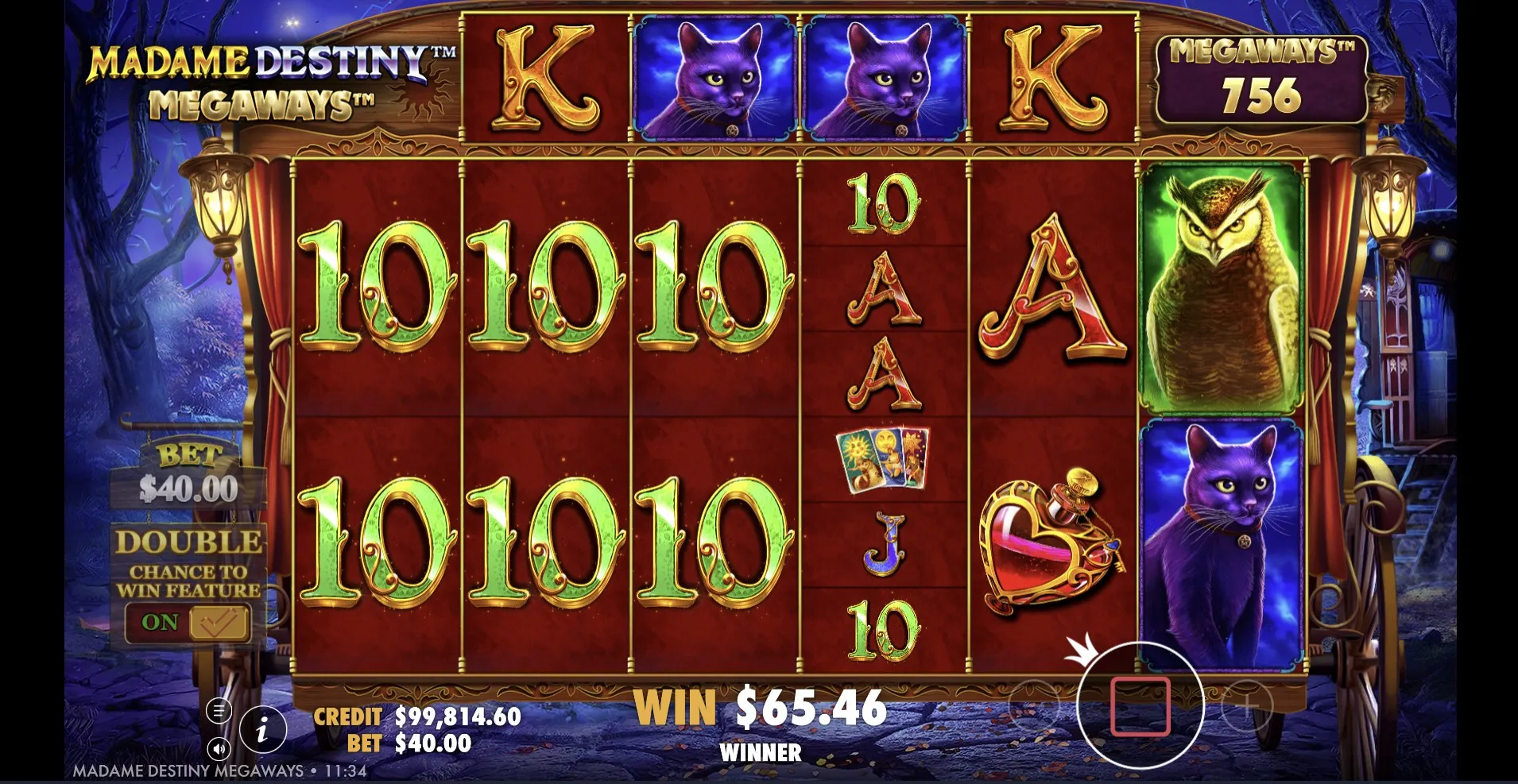
Agree on what sharing means
Ask whether people want to play, watch, or simply stay for the conversation. Those are all reasonable ways to join a gathering. Someone who is curious may prefer to see the controls explained before taking a turn. Another person may enjoy chatting without touching the game at all. Leave that choice open instead of treating participation as something everyone owes the group.
Be clear about the activity itself. This site describes virtual play without cash prizes, and a shared session should not depend on making a balance look impressive. If someone is unsure what a counter means, explain it in plain language or read the instructions together. Friendly social play is easier when nobody has to pretend they already understand the screen.
Set up the gathering together
- Ask who wants to play and who would rather watch.
- Choose an activity with controls everyone can follow.
- Agree on turns and a finish before starting.
- Make it easy for anyone to pause or leave.
Keep the conversation welcoming
Comment on what you notice rather than telling another person what they should feel. You might enjoy the artwork while a friend finds the sound distracting. Neither reaction needs to win an argument. Ask before giving instructions, especially when someone is learning. A helpful explanation answers their question; a running commentary on every choice can make a relaxed activity feel like a test.
Do not turn a virtual result into a judgement about the person playing. Teasing that seems harmless to one friend may feel uncomfortable to another. Notice when conversation gets quieter or someone stops taking turns, and offer an easy change of activity. Friendly social play leaves space for different moods without requiring anyone to explain why they are no longer interested.
- Ask before offering advice about another person’s turn.
- Keep jokes away from personal ability or virtual losses.
- Let someone watch without repeatedly asking them to join.
- Change the activity when the group wants something else.
Choose a format that suits the room
These options describe ways people can share an activity; they do not assume that a game includes multiplayer features. Start with the arrangement that needs the least explanation. If a single screen is difficult to see, take turns describing what happened rather than crowding around it. The aim is a comfortable conversation, not keeping every person focused on the same display.
| Format | What to agree first |
|---|---|
| Taking turns | When each person hands over control. |
| Watching together | Whether advice is welcome. |
| Separate sessions | What you want to discuss afterwards. |
| Conversation only | That playing remains optional. |
When handing over a device, give the next person a moment to find their place. Point out the help button if they ask, then let them choose their own pace. A brief pause between turns also gives everyone a chance to speak without competing with the sound or animation.
Finish while it still feels easy
A shared finish makes leaving less awkward. You can agree to stop for a meal, a walk, or another activity without waiting for a special result. Our guide to a relaxed routine offers ideas for setting that boundary. For questions about the screen itself, the virtual credits guide provides a useful starting point for a simple explanation.
Author’s opinion
For me, friendly social play succeeds when the people are more memorable than the results. I prefer a gathering where someone can laugh, ask a basic question, or step away without becoming the centre of attention. A game is a convenient reason to spend time together, but it should not set the terms of the friendship. I would choose an easy conversation over another round.