
Luck, skill, and what outcomes really mean
Myth: “A few wins prove I’ve found a winning routine.” Fact: Short runs say little about the long run. Random swings can hide the truth. Why it matters: mistaking a brief upswing for proof tempts bigger stakes you never planned. Example: flip a coin ten times and get seven heads; that streak does not change the coin’s fairness, it just shows how bumpy small samples can be.
How to read your results
Track results with the same stake and rules, not standout sessions. Expect a jagged graph. Review later—after a break—to separate emotion from evidence and avoid heat-of-the-moment moves.
Hot streaks, cold streaks, and randomness
Myth: “After many losses, a win is due.” Fact: Independent events do not balance on schedule. A roulette spin does not “owe” red, and a shuffled deck has no memory. Why it matters: “due” thinking often triggers bigger, unplanned bets. Example: you see black five times in a row and double your wager on red, believing the wheel must even out. The next spin still has the same chances as before.
Patterns that feel real but are not
The brain loves patterns, so streaks feel meaningful. Treat them like weather: several sunny days do not force rain tomorrow. Randomness can form long clusters without any hidden signal.
Betting systems and the cost of chasing
Myth: “If I raise after each loss, I will recover everything.” Fact: Progressions hit table limits, budgets, or nerves before the “catch-up” win. They move risk around; they do not erase it. Why it matters: one long downswing can be larger than expected. Hypothetical arithmetic example: start at 1 unit and double after each loss. After six losses, the next bet is 64 units, and your total risk so far is 127 units to win 1 unit net; any table cap or budget wall ends the plan.
Another myth: “more volume smooths losses into wins.” Volume spreads variance (natural swing in results); it cannot turn a negative game into a positive one. Steady, pre-set stakes are kinder to a budget than changes driven by emotion.
Near misses, slots, and house rules
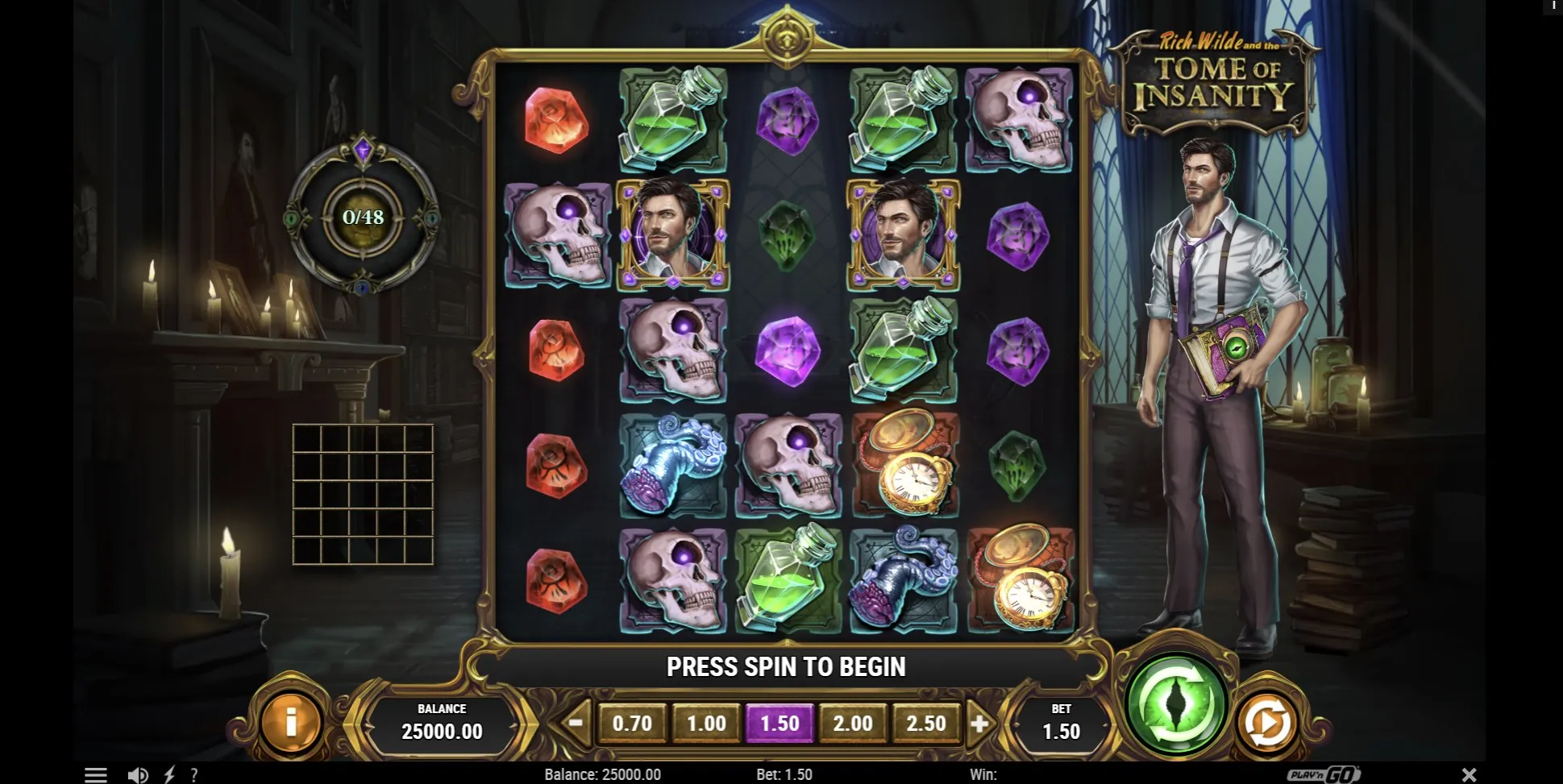
Myth: “A near miss means I’m close to a win.” Fact: On machines and many digital games, each result is separate; a symbol stopping one spot away does not affect the next outcome. Near misses look exciting, but they do not carry forward. Why it matters: treating them like momentum can stretch sessions beyond your plan.
Return-to-player (RTP) is the share of stakes a game would pay back on average over a very long run under normal rules; it is not a promise for your session. If you visit sites around the web, including n3on-official.com, note that presentation varies; this checklist does not rely on any site’s features.
Quick checks, table, and takeaways
Use these quick checks to sort facts from fiction before you act at a table, machine, or app.
- Is the claim based on a recent streak, not long-run rules?
- Would it still sound true if outcomes were hidden or shuffled?
- Am I raising stakes from emotion rather than a plan?
- Could limits or my budget break this routine fast?
- Is a “near miss” being treated like proof?
Common myths at a glance
| Myth | Fact | Everyday example |
|---|---|---|
| Losses make a win due | Independent events have no memory | A fair die can roll 1 twice, then 1 again |
| Near miss means momentum | Displays do not change next odds | A dart near the bull does not move the board |
| Betting systems beat the house | They shift risk and hit limits | Doubling after losses balloons cost fast |
| Short hot run proves skill | Small samples swing widely | Five coin heads can happen by chance |
| More play guarantees even results | Averages emerge slowly, never promised | A season can end above or below average |
- Set a time limit first, and stop when time ends.
- Treat each spin, hand, or roll as fresh; avoid “due” thinking.
- Write stake sizes in advance and keep them steady.
- Pause after a near miss; it is a display, not a signal.
- If a routine needs limitless cash or no caps, skip it.
Conclusion: Most gambling myths start with the feeling that patterns must mean something. Facts point the other way: outcomes are bumpy, limits are real, and near misses are just pictures. Keep choices tied to pre-set time and stake rules, and stop when your plan says stop.